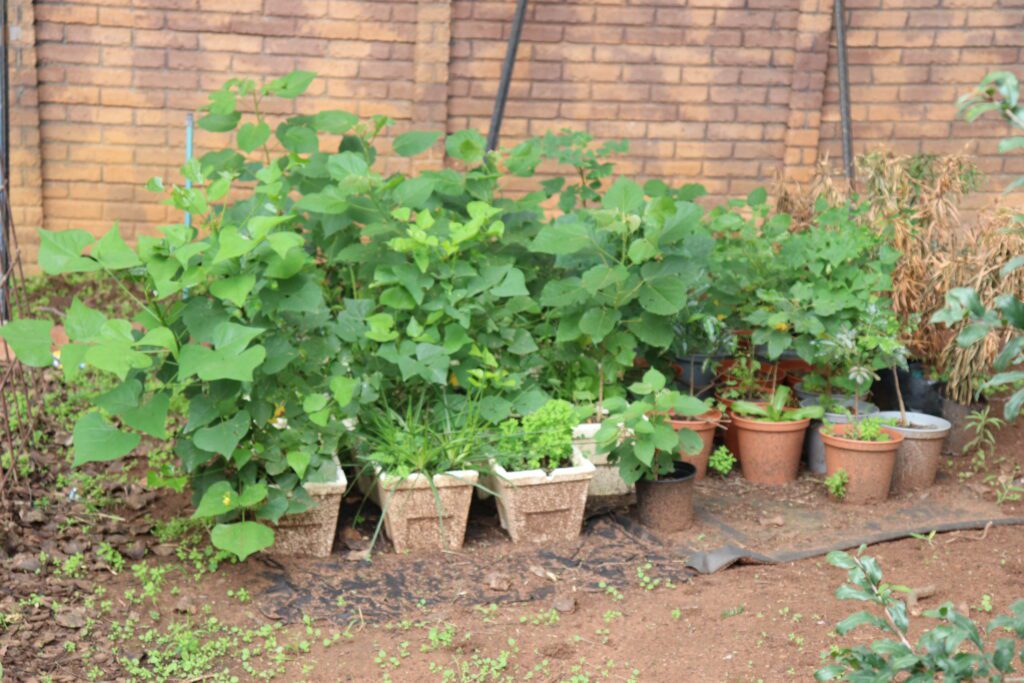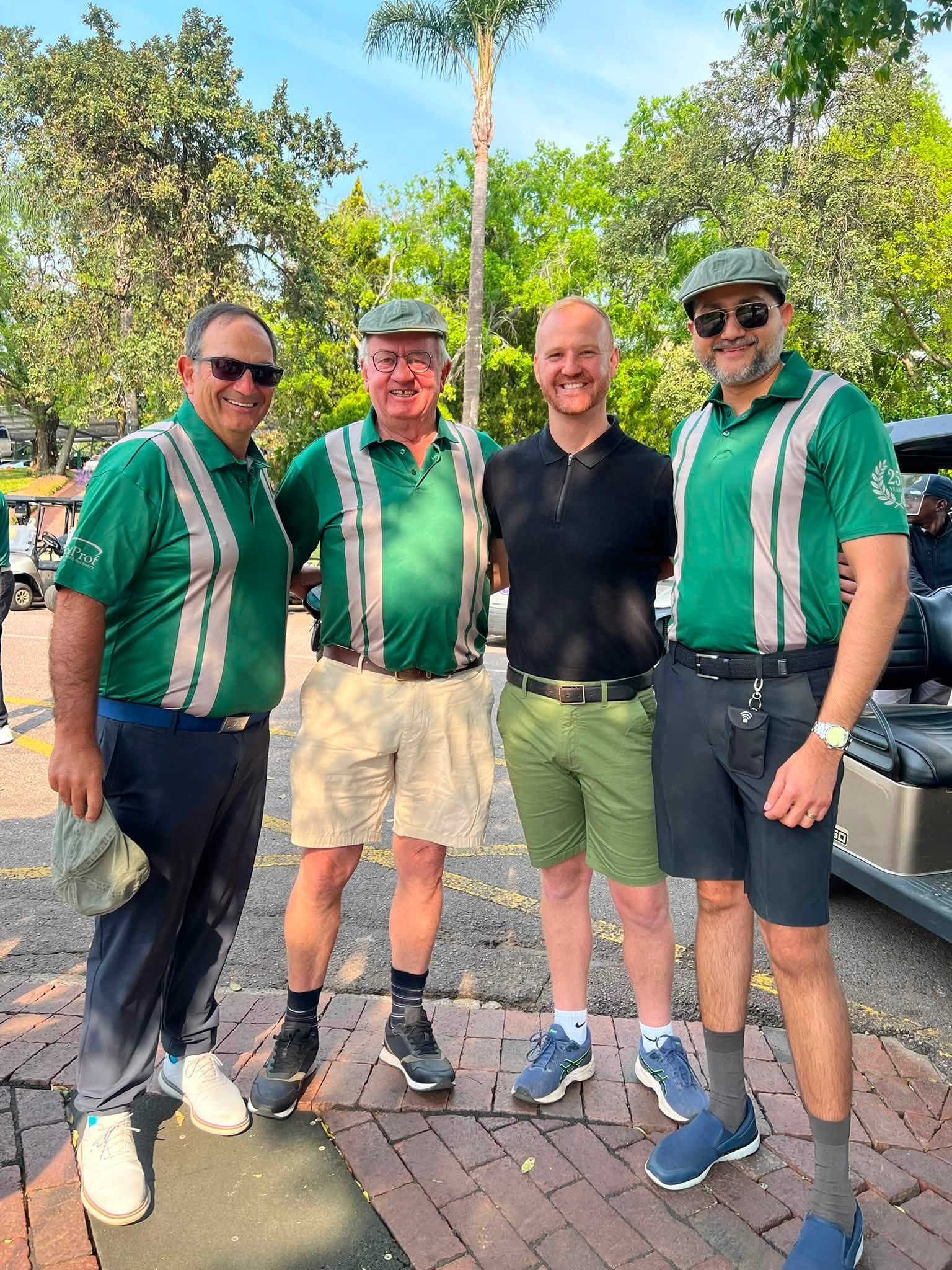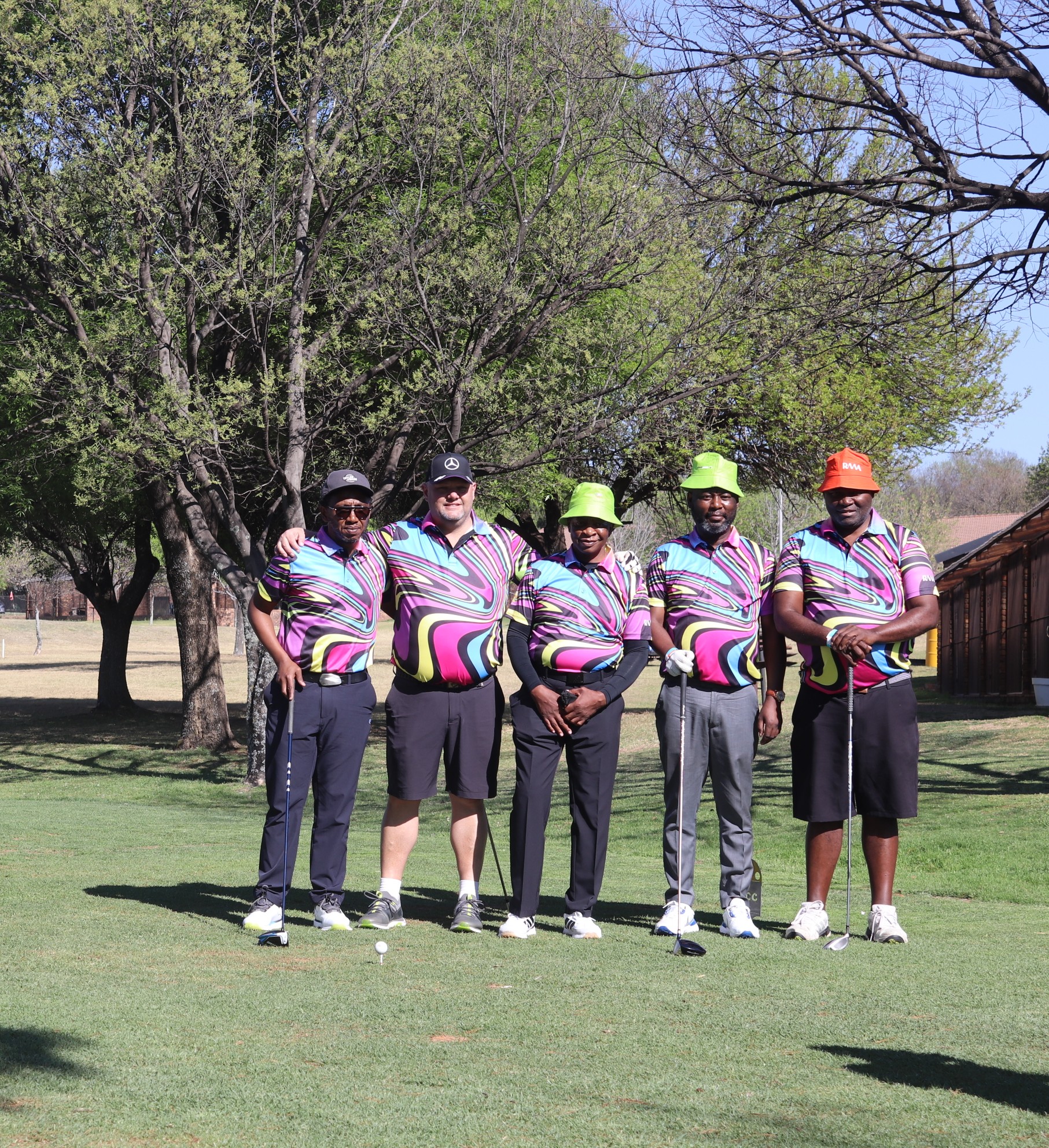
When MaxProf hosted its annual Charity Golf Day in November 2025, our aim was to enjoy a meaningful day together and to make a tangible difference in the lives of others. By the end of the event, we had raised approximately R150,000, and half of that amount was donated to the Potato Foundation, an organisation deeply committed to feeding and supporting vulnerable communities.
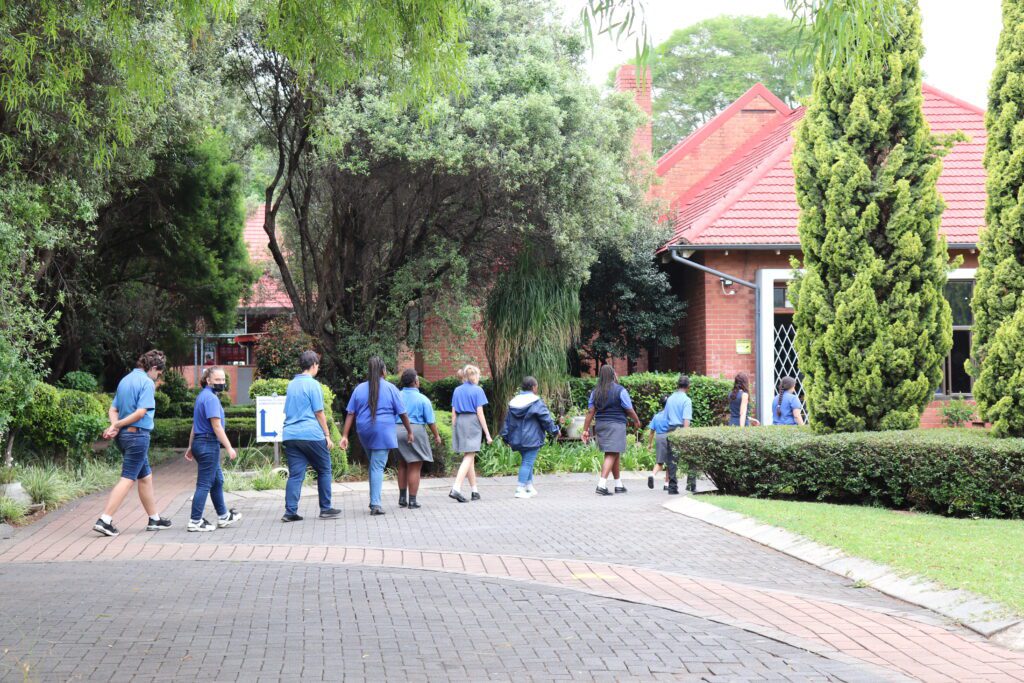
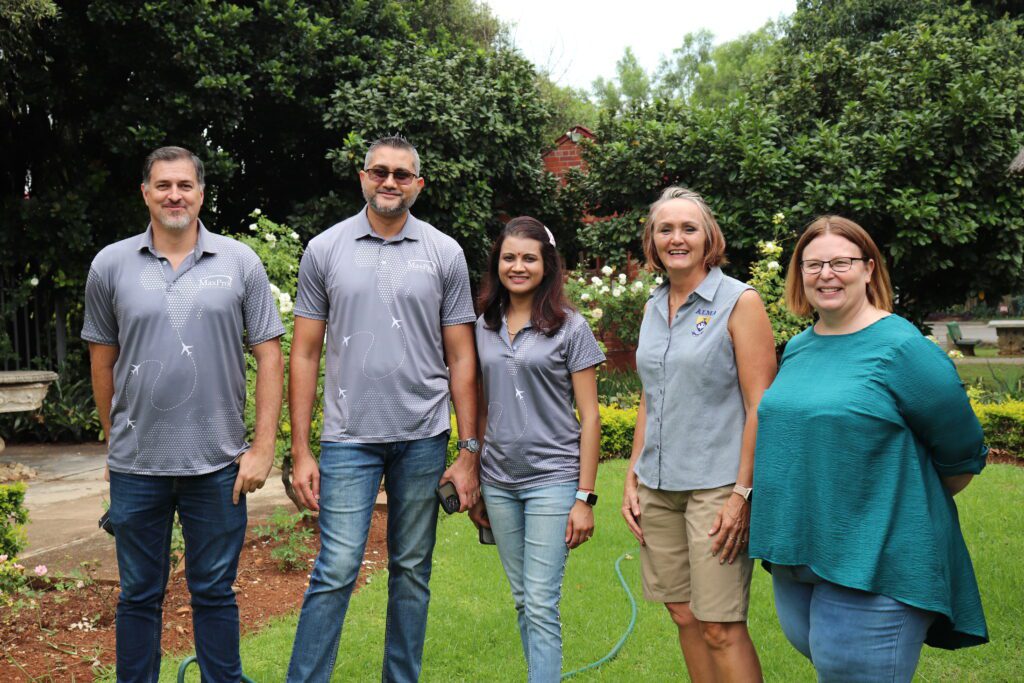
On the 29th of January 2026, the Foundation invited us to visit one of the six (6) institutions that benefitted from this contribution. They took us to Alma School in Eloffsdal, Pretoria. The moment we entered the grounds; we sensed that this visit would leave a lasting impression. Alma School supports children with severe intellectual disabilities, cerebral palsy, autism, Down syndrome, epilepsy, and various physical challenges, creating a space where specialised education and compassionate care coexist.
Although the school accommodates between 360 and 380 learners, the environment was remarkably calm. It was not the silence of restraint but rather a gentle, structured stillness that reflected emotional security and intentional support. The children greeted us politely, some shyly, others with wide smiles, and all with a sense of belonging within their school community.
As we walked through the classrooms and therapy rooms, we noticed how clean and well maintained everything was. Each space felt cared for, and every detail seemed purposeful. This level of order is impressive in any school, and even more so in one that supports children with complex developmental and medical needs.
Alma School operates with a dedicated staff complement that exceeds one hundred employees. The team includes teachers, occupational therapists, support workers, administrative staff, gardeners, and two nursing sisters. Although the formal teacher count is 38, the support network reaches over 100, ensuring that each learner receives the specialised attention they require.
The school follows the Differentiated CAPS Curriculum, which is designed for children with severe intellectual disabilities. Lessons are broken down into achievable developmental steps, allowing children to progress at a pace aligned with their abilities. For older learners, the school offers a School to Work programme, where students develop practical and employable skills. Some later join sheltered workplaces, while others are placed into jobs through partnerships with employers. This system ensures that learners transition into adulthood with dignity and possibility, even when circumstances are challenging.
However, the broader context surrounding Alma School cannot be ignored. In 2025, Gauteng schools were affected by serious drops in funding allocations. According to a Solidarity Research Institute report, operational funding for many schools was reduced from about R900 per learner to R315, representing a 65 percent decrease. This reduction placed significant pressure on hundreds of schools, especially when it came to covering basic expenses such as utilities, maintenance, and staffing. Although Alma is a special‑needs institution, the ripple effects of such provincial funding changes inevitably reach environments like theirs, increasing operational strain.
Despite the financial challenges, Alma continues to serve its learners with admirable resilience. The school supports children who rely on chronic medication, provides feeding assistance to vulnerable learners, and offers financial relief to families in distress. Many households receive fee reductions of up to 60 percent, and some families receive complete fee exemptions, ensuring that no child is turned away because of financial hardship.
One of the most heartening aspects of our visit was the energy and attitude of the staff. Given the intensity of their work and the financial uncertainty faced by schools in the province, one might expect a sense of fatigue or frustration. Instead, we found teachers who were cheerful, patient, and deeply committed to their learners. Their positivity was not superficial but reflective of a shared purpose and a profound love for the children they serve.
As we left the school grounds, a collective realisation settled in. The R150,000 raised at our Charity Golf Day was a proud achievement; however, after witnessing Alma School’s efforts, that pride evolved into a deeper sense of responsibility.
The Potato Foundation did more than guide us through Alma’s corridors; they reminded us why our fundraising matters and how each event connects to real lives and real futures. Our Charity Golf Day now feels more meaningful than ever, and we carry renewed purpose as we prepare for the next one.