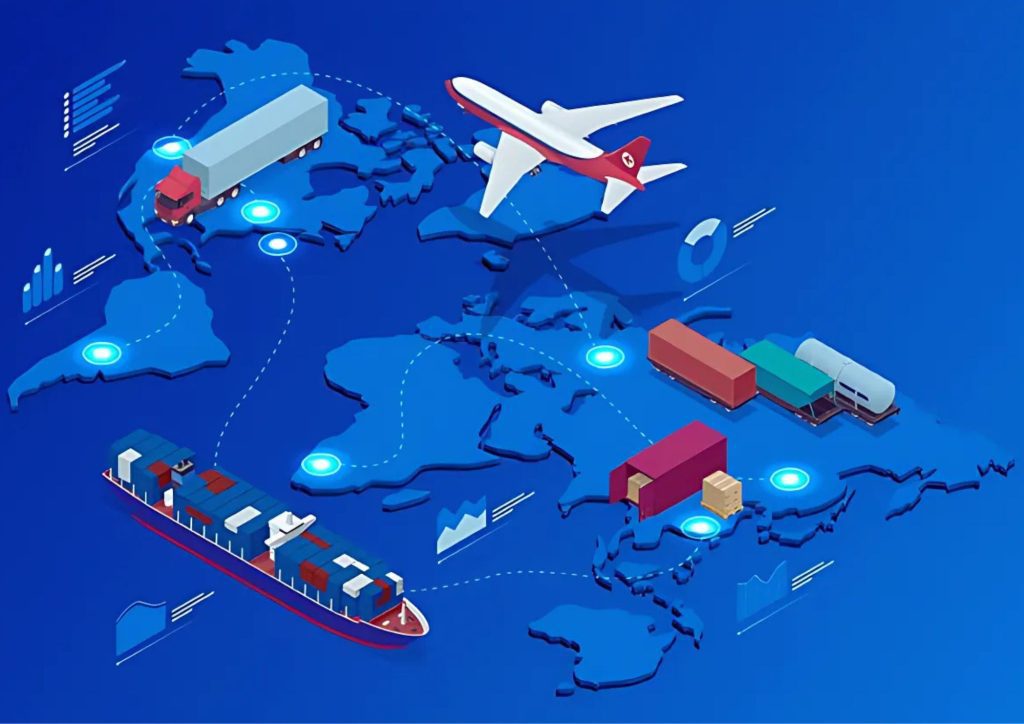
The taxing effects of tariff wars on businesses have rapidly shifted global trade, and South African businesses are increasingly caught in the crossfire. Tariff wars—those tit-for-tat import duties imposed by economic giants like the United States, China, and the European Union—might seem distant, but their effects are closer to home than many realise.
For businesses reliant on international supply chains, rising tariffs lead to higher costs at every stage of the process. Increased import duties, customs VAT, and disrupted pricing models ripple through operations, making tax compliance a growing challenge.
The Domino Effect of Tariffs on Import Taxes
Tariffs are not just an abstract financial policy—they have tangible consequences for businesses. Consider a typical South African importer. Once goods land in the country, they are subject to customs VAT, calculated on the CIF value (Cost, Insurance, and Freight) plus duties. For high-value or luxury items, ad valorem duties further increase costs.
On the surface, preferential trade agreements offer hope for reduced tariffs—but they often come with strict documentation requirements. These trade-offs highlight the challenges importers face in balancing costs with compliance. It is a delicate dance where missteps can result in serious repercussions like delays, penalties, or even the seizure of goods.
Recently, a 90-day pause on tariff hikes announced by U.S. President Donald Trump has provided temporary relief for many countries, including South Africa. While this offers a brief window to recalibrate, businesses must act quickly to make the most of this opportunity.
The Tax Landscape for Local Importers
Navigating South Africa’s import tax system is no small feat. From calculating VAT accurately to understanding duty structures and trade agreements, businesses must contend with multiple layers of regulation. Staying compliant requires not only meticulous attention to detail but also a proactive approach to managing risks.
For example:
- Import VAT must be reported correctly to avoid discrepancies during VAT claims.
- Duty reviews can uncover errors or opportunities for cost savings.
- Exploring relief strategies like rebates or customs warehousing may ease the financial burden.
Each decision carries potential pitfalls but also opportunities to improve efficiency and optimise operations.
Strategies for Navigating the Challenges
While the challenges are significant, businesses can adopt strategies to mitigate risks and maintain their competitive edge:
- Invest in Expertise: Understanding the intricacies of import tax and compliance can save businesses from costly errors. This might mean working with specialized consultants or investing in training for internal teams.
- Monitor Trade Policies: Keeping track of global tariff changes and local regulations ensures businesses are prepared for shifts in the trade environment.
- Embrace Technology: Tools for tax reporting and compliance can streamline processes and reduce the likelihood of errors.
- Plan for Contingencies: Evaluating alternative supply chains and warehousing solutions can help businesses remain resilient in the face of disruptions.
The 90-day pause on tariff hikes is a chance to implement these strategies, ensuring businesses are better positioned for the future.
The Bigger Picture
In an era of global economic friction, South African businesses are not isolated from the ripple effects. Needless to say, that the taxing effects of tariff wars on businesses are reshaping the way companies operate, demanding greater attention to compliance and cost efficiency. By staying informed and proactive, businesses can not only weather the storm but position themselves for success in a competitive market.
Contact us for more information on our service offering here: www.maxprof.co.za
Find out more on tax related matters on the SARS website